
Open Source CRM Software
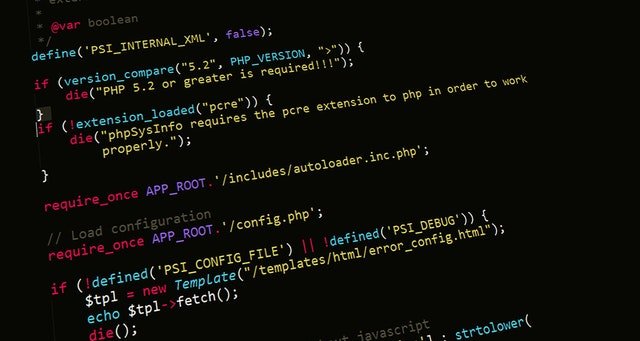
Customer Relationship Management (CRM) software plays a crucial role in modern businesses by centralizing customer data, streamlining communication, and optimizing sales and marketing efforts. Open-source CRM solutions have gained popularity as they offer businesses the freedom to modify and customize the software according to their unique needs, eliminating the constraints of vendor-imposed limitations. Unlike proprietary CRMs, which often come with expensive licensing fees and restricted access to underlying code, open-source CRMs provide a cost-effective and transparent alternative, allowing companies to have full control over their data and software functionalities. In today’s competitive market, businesses across various industries including retail, healthcare, finance, real estate, manufacturing, education, hospitality, IT services, and e-commerce require agile and scalable solutions to manage customer relationships effectively. Open-source CRM platforms allow organizations to integrate third-party tools, automate workflows, and enhance collaboration across departments. These systems are particularly beneficial for startups and small to medium-sized enterprises (SMEs) looking to implement a robust CRM solution without incurring high costs. Additionally, with strong community support and continuous enhancements by developers worldwide, open-source CRMs remain adaptable and innovative, ensuring businesses can leverage the latest technological advancements.
However, while open-source CRMs offer numerous advantages, they also come with challenges. Businesses must allocate resources for maintenance, security, and technical support, as these solutions often require IT expertise for implementation and customization. The absence of dedicated customer support from vendors can also be a drawback, particularly for companies that need immediate assistance. Moreover, security vulnerabilities may arise if the software is not regularly updated or properly configured. Despite these challenges, open-source CRM software remains a powerful option for businesses that prioritize flexibility, cost-efficiency, and data ownership over convenience.
Advantages of Open Source CRM Software
1️⃣ Cost-Effective 💰
- No expensive licensing fees, making it a budget-friendly option.
- Lower total cost of ownership (TCO) compared to commercial CRMs.
- Businesses only pay for hosting, maintenance, and customization, avoiding vendor lock-in.
2️⃣ Full Customization & Control 🛠️
- Source code is accessible, allowing businesses to modify the software as per their requirements.
- Features, workflows, and dashboards can be tailored for specific industries.
- Developers can add unique functionalities without waiting for vendor updates.
3️⃣ Greater Flexibility & Scalability 📈
- Open-source CRMs can scale with business growth, supporting more users and larger databases.
- Businesses can integrate additional tools like marketing automation, analytics, or AI-driven insights.
- Supports multi-tenant architecture, ideal for enterprises managing multiple teams or clients.
4️⃣ Strong Community & Developer Support 🌎
- A large community of developers worldwide contributes to enhancements, bug fixes, and security patches.
- Businesses benefit from forums, documentation, and shared solutions to common issues.
- Some open-source CRMs offer paid support options for enterprises requiring dedicated assistance.
5️⃣ Enhanced Data Security & Transparency 🔒
- Businesses have complete control over data, reducing reliance on third-party vendors.
- Open-source code allows security audits to identify and fix vulnerabilities.
- No risk of software vendors discontinuing service or increasing costs unexpectedly.
6️⃣ Easy Integration with Third-Party Tools 🔄
- Can be integrated with marketing tools, cloud storage, accounting software, and AI-powered analytics.
- APIs and plugins allow seamless connections with external services, improving workflow automation.
- Unlike proprietary CRMs, there are no restrictions on integrations or additional charges.
7️⃣ No Vendor Lock-in 🔄
- Businesses are not tied to a single company for updates, pricing, or feature upgrades.
- Data ownership remains with the business, allowing easy migration if needed.
- Avoids forced upgrades or hidden costs that proprietary software may introduce.
⚠️ Disadvantages of Open Source CRM Software
1️⃣ Technical Expertise Required 🏗️
- Requires skilled developers or IT teams for setup, customization, and troubleshooting.
- Small businesses without technical expertise may find implementation challenging.
- Ongoing maintenance and security updates need dedicated resources.
2️⃣ Limited Dedicated Customer Support 📞
- Unlike commercial CRM solutions, which offer 24/7 support, open-source CRMs rely on community forums and documentation.
- Some vendors provide paid support plans, but they can be costly for small businesses.
- Troubleshooting may take longer without direct access to professional support teams.
3️⃣ Potential Security Risks ⚠️
- If not regularly updated, open-source CRMs can have vulnerabilities that hackers may exploit.
- Self-hosted solutions require businesses to manage their own security and compliance.
- Third-party plugins or custom modifications may introduce security loopholes.
4️⃣ Ongoing Maintenance Costs 🔧
- While the software itself is free, businesses need to invest in hosting, data backup, and IT support.
- Updates and bug fixes require in-house developers or external consultants.
- Costs may increase over time as the business scales and requires more advanced features.
5️⃣ Complex Implementation & Learning Curve 📚
- Requires proper installation and configuration, which may take time.
- Employees may need training to effectively use the CRM.
- Proprietary CRMs often come with pre-configured workflows, whereas open-source CRMs require manual setup.
6️⃣ Lack of Standardization & Inconsistent Quality ❌
- Different contributors create plugins and modules, leading to quality variations.
- Updates from community developers may not be as frequent or reliable as commercial vendors.
- Some open-source CRM projects may become inactive, leading to outdated features.
7️⃣ Limited Mobile Support 📱
- Not all open-source CRMs have well-optimized mobile apps.
- Businesses may need to develop or integrate third-party mobile solutions for on-the-go access.
- Proprietary CRMs often have native mobile apps with seamless synchronization.
FAQs
1️⃣ What is open-source CRM software?
Open-source CRM software is a customer relationship management system with publicly available source code, allowing businesses to modify, customize, and integrate it as needed.
2️⃣ How is open-source CRM different from proprietary CRM?
Unlike proprietary CRM, which requires paid licenses and vendor support, open-source CRM is free to use and can be modified without restrictions.
3️⃣ Is open-source CRM software really free?
Yes, the software itself is free, but businesses may incur costs for hosting, customization, support, and maintenance.
4️⃣ What are the benefits of using open-source CRM?
Some key benefits include cost savings, customization, flexibility, community support, and complete data control.
5️⃣ What are the drawbacks of open-source CRM?
Challenges include the need for technical expertise, potential security risks, and lack of dedicated customer support.
6️⃣ Is open-source CRM secure?
Security depends on regular updates, proper configuration, and adherence to best security practices. Some businesses may need additional security measures.
7️⃣ Do open-source CRMs offer customer support?
Most rely on community forums, documentation, and developer contributions, but some providers offer paid support services.
8️⃣ Can I integrate open-source CRM with other software?
Yes, open-source CRMs are highly customizable and can integrate with marketing tools, accounting software, and other business applications.
9️⃣ How difficult is it to set up an open-source CRM?
Setup complexity depends on the software and your technical expertise. Some CRMs offer easier installation, while others require in-depth IT knowledge.
🔟 What industries use open-source CRM software?
Open-source CRMs are used in various industries, including retail, healthcare, finance, real estate, and IT services.
1️⃣1️⃣ Can open-source CRM handle large-scale businesses?
Yes, many open-source CRMs are scalable and can support enterprises with high data volumes and multiple users.
1️⃣2️⃣ What are some popular open-source based CRM solutions?
Popular options include PHP CRM Community Edition.
1️⃣3️⃣ Can I use open-source CRM on the cloud?
Yes, open-source CRM can be self-hosted or deployed on cloud platforms like AWS, Google Cloud, or private servers.
1️⃣4️⃣ Does open-source CRM offer mobile apps?
Some open-source CRMs have mobile apps, but they may not be as advanced as those from proprietary CRM vendors.
1️⃣5️⃣ What are the hidden costs of open-source CRM?
Potential costs include hosting, IT support, customization, security, and ongoing maintenance.
1️⃣6️⃣ How often do open-source CRMs get updates?
Updates depend on the community and development team. Some projects receive frequent updates, while others may become inactive.
1️⃣7️⃣ Is open-source CRM suitable for small businesses?
It can be, but small businesses without technical expertise may struggle with setup and maintenance.
1️⃣8️⃣ How does open-source CRM improve customer relationships?
By organizing customer data, tracking interactions, automating tasks, and providing insights to enhance customer engagement.
1️⃣9️⃣ Can I migrate from proprietary CRM to open-source CRM?
Yes, but data migration can be complex and may require professional assistance.
2️⃣0️⃣ How do I choose the best open-source CRM for my business?
Consider factors like ease of use, customization options, integration capabilities, support availability, and security features before making a decision.
💡 Final Verdict: Is Open Source CRM Right for You?
✅ Best for:
- Businesses with in-house IT teams looking for cost-effective CRM solutions.
- Companies that need high levels of customization and control over their CRM software.
- Organizations that prioritize data security and want full ownership of customer data.
❌ Not Ideal for:
- Small businesses without technical expertise or IT resources.
- Companies looking for a plug-and-play CRM with instant customer support.
- Organizations that require frequent software updates and guaranteed security patches.
Open-source CRM software offers unmatched flexibility, cost savings, and control but requires technical expertise for setup and maintenance. If your business is equipped with the right resources, an open-source CRM can be a powerful tool to enhance customer relationships and business growth. With its ability to adapt to specific business needs, open-source CRM solutions empower organizations to design a system that aligns with their unique workflows and customer engagement strategies. This customization allows businesses to gain a competitive edge by tailoring the CRM to suit their exact requirements, ultimately leading to increased operational efficiency and better customer satisfaction. Among the various open-source based CRM options, PHP CRM stands out as one of the best due to its robustness, scalability, and ease of integration. PHP CRM platforms are particularly popular because they are built using the widely-used PHP programming language, which is known for its versatility and wide developer community. This makes it easier to find support, resources, and plugins that enhance functionality, making PHP-based open-source CRMs an ideal choice for businesses looking for customizable solutions without the cost of proprietary software. Additionally, as open-source CRM systems provide full data control, businesses can manage and protect sensitive customer information in-house, ensuring compliance with privacy regulations and reducing reliance on third-party vendors. This autonomy also allows businesses to make quick adjustments or implement new features in response to market changes, offering greater agility compared to proprietary solutions.
While the initial setup may require dedicated technical resources, the long-term benefits of cost savings, scalability, and full ownership of the CRM outweigh these challenges. As businesses scale and evolve, an open-source based CRM, particularly PHP CRM, can grow with them, offering the flexibility to integrate new tools, manage larger volumes of customer data, and support more complex workflows. In conclusion, for businesses that have the technical capabilities or the resources to manage it effectively, PHP CRM, as a top open-source based solution, is an investment that provides significant value in terms of both functionality and cost efficiency.
🚀 Explore the full potential of PHP CRM software! With its user-friendly interface, advanced features, and seamless integration capabilities, PHP CRM allows you to tailor your system to meet the unique needs of your business. Whether you’re a small business looking for an affordable solution or a growing enterprise requiring scalability, PHP CRM offers the perfect balance of flexibility and functionality.
- 📥 Download: Get started with PHP CRM today! and unlock all the features that help you manage customer relationships effortlessly.
- 💡 Demo: Experience the features of PHP CRM through a live demo. See how it can transform your business operations and improve customer engagement with hands-on experience.