
CRM For Manufacturing
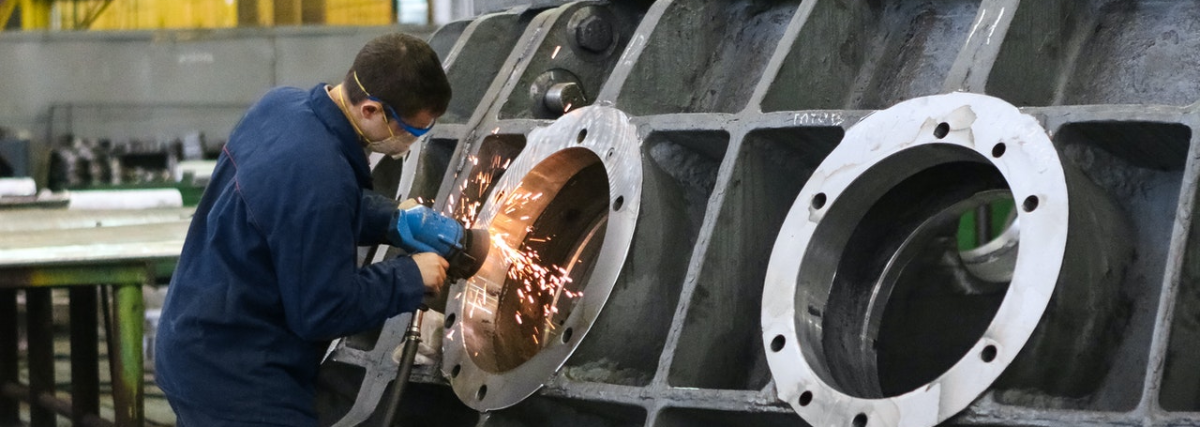
Manufacturing CRM system let the customer support staff help the customer instantly and also provide meaningful insights that help improve service, product quality and business processes over time. It streamlines the sales and marketing operations, lowers costs and increases profits. Manufacturing CRM system can help you manage and track customer data, manage your sales process, and track your entire sales journey in an intuitive manner.
Customer Relationship Management (CRM) is a powerful tool that has transformed businesses across all sectors, and the manufacturing industry is no exception. In the highly competitive and fast-paced world of manufacturing, companies are increasingly turning to CRM solutions to better manage customer relationships, enhance operational efficiency, and ultimately boost profitability. This article explores how CRM systems can be effectively utilized in manufacturing, the benefits they offer, and how they are reshaping the industry.
What is CRM for Manufacturing?
CRM for manufacturing refers to the integration of customer relationship management tools into a manufacturing environment. Unlike traditional CRM systems that are primarily focused on sales and marketing, a CRM tailored for manufacturing involves a broader range of functionalities that can help improve the entire production lifecycle, from sales and order management to after-sales service and customer feedback collection.
A CRM system in manufacturing can integrate various business processes, including inventory management, supply chain logistics, order tracking, customer service, and sales. This integration ensures a smoother flow of information across departments, leading to improved decision-making and a more cohesive customer experience.
The Role of CRM in Manufacturing
Enhancing Customer Service
Manufacturers often deal with complex, multi-step orders, long lead times, and a variety of customer requirements. A CRM system enables manufacturers to track customer interactions, orders, and feedback, giving them a clearer view of customer needs and expectations. This data helps customer service teams respond more quickly and effectively to customer inquiries, resolve issues promptly, and manage customer expectations more efficiently.
By maintaining a centralized customer database, CRM systems can provide real-time insights into each customer’s purchasing behavior, preferences, and history, allowing manufacturers to offer tailored solutions and improve customer satisfaction.
Optimizing Sales and Order Management
In manufacturing, managing large, often complex orders is a challenge. A CRM system can streamline the sales and order management process by automating many tasks and providing real-time visibility into inventory, production schedules, and order fulfillment status. This enables sales teams to make more accurate forecasts, reduce order errors, and provide customers with timely updates on the status of their orders.
CRM tools also help in identifying cross-selling and upselling opportunities by analyzing customer purchase patterns. This enables manufacturers to offer additional products or services that customers may need, improving sales and increasing revenue.
Improving Production Planning and Inventory Management
One of the biggest challenges in manufacturing is maintaining a balance between production demand and inventory levels. Overproduction can lead to excess stock and storage costs, while underproduction can result in missed opportunities and dissatisfied customers.
CRM systems can integrate with existing Enterprise Resource Planning (ERP) systems to provide valuable insights into inventory levels, order status, and production schedules. This data helps manufacturers optimize production planning, avoid bottlenecks, and ensure that the right products are available at the right time. By having a better understanding of customer demand and order patterns, manufacturers can more effectively manage their supply chain and reduce the risk of stockouts.
Data-Driven Decision-Making
In today’s digital world, data is king. CRM systems gather a wealth of information that can be used to improve business operations. By analyzing customer behavior, order trends, production cycles, and other data points, manufacturers can make more informed decisions. For example, they can identify which products are in high demand and prioritize production accordingly. Similarly, they can uncover inefficiencies in their processes and take corrective actions.
Manufacturers can also use CRM analytics to identify customer segments that are more profitable or have greater growth potential, allowing them to tailor their marketing and sales strategies to these segments.
Facilitating Collaboration Across Departments
Manufacturing companies often operate in silos, with departments like sales, production, and customer service working independently of each other. This lack of collaboration can result in miscommunication, inefficiencies, and missed opportunities.
CRM systems break down these silos by providing a centralized platform for all customer-related information. Sales, marketing, customer service, and production teams can collaborate more effectively, share insights, and ensure that customer requirements are met at every stage of the process. For example, sales teams can communicate customer needs to the production team, while customer service teams can provide updates on order status to customers in real time.
After-Sales Support and Maintenance
The relationship with customers doesn’t end once a product is delivered. After-sales support, maintenance, and warranty management are critical aspects of the customer experience. A CRM system can help manufacturers manage these post-sale activities by tracking warranty claims, service requests, and product performance issues.
With CRM, manufacturers can maintain a history of service requests and repairs, allowing customer service teams to quickly access relevant information and resolve issues efficiently. Additionally, CRM tools can help manufacturers schedule regular maintenance and follow-up services, ensuring that customers continue to receive value from the product and stay loyal to the brand.
Download CRM Software for Manufacturing
PHP CRM software is specialized customer relationship management system for manufacturing industry. An effective CRM for manufacturing companies can play a crucial part in this process for a manufacturing business. The customer relationship management system for manufacturing company should be implemented in such a way that it understands and founds that manufacturing processes can differ and it takes action accordingly like stock control, sharing databases that are inside the business and and smooth delivery of finished products.
Benefits of CRM for Manufacturing
- Improved Customer Satisfaction: By providing better visibility into customer orders, preferences, and feedback, CRM systems enable manufacturers to respond quickly and effectively to customer needs, resulting in higher satisfaction levels.
- Increased Efficiency: CRM automates many manual processes, such as order tracking, customer communication, and data entry, saving time and reducing errors. This leads to more efficient operations and better resource management.
- Cost Savings: With CRM, manufacturers can optimize inventory management, reduce overproduction, and avoid stockouts, which leads to significant cost savings.
- Better Forecasting and Planning: CRM provides valuable insights into customer behavior and market trends, enabling manufacturers to make more accurate forecasts and plan production schedules accordingly.
- Competitive Advantage: By leveraging CRM to enhance customer relationships, improve operational efficiency, and deliver a superior customer experience, manufacturers can gain a competitive edge in the market.
OPEN SOURCE BASED CRM SOFTWARE FOR MANUFACTURING INDUSTRY - ONLINE CRM SYSTEM FOR MANUFACTURING COMPANY
Open source based CRM software for manufacturing industry or PHP CRM, helps to keep track of customers who can be future customers of company but aren’t ready to associate with the manufacturing industry yet. It can analyze technological requirements in customer demand, which helps in managing stock, better cash flow management and can also help in handling the supply chain leading to overall customer satisfaction.
Our CRM software is an excellent tool for online CRM system for manufacturing industry. Provide your marketing team with a complete overview of which customers are interested in products, enabling them to cross-sell and increase revenue. This software establishes seamless communication between all departments of the company, and monitors the marketing strategy and analyzes its importance.
CRM SOFTWARE FOR MANUFACTURING BUSINESS
Manufacturing CRM software are business tools that manufacturing companies can use to create a repository of customer details, such as addresses, phone numbers, order information, and pain points. It provides a complete view into the entire business process, linking different processes such as operations, order processing, shipping, sales and marketing, finance and more. Online CRM software provides reporting to track sales performance as well as forecast sales. Our CRM software is the best CRM platform for small manufacturing industry, works efficiently when it comes to handling the necessary processes to increase efficiency and thereby profits. Customer relationship management system tracks all the information right from manufacturing of the product to its shipment and keeps you updated and organized. It helps better understand buyer requirements, close deals more quickly, and identify upselling or retargeting opportunities.
FAQs on CRM for Manufacturing
What is CRM for manufacturing?
CRM for manufacturing refers to a specialized customer relationship management system tailored to the needs of manufacturing companies. It integrates customer-related processes, such as sales, order management, production planning, inventory management, and after-sales support, to improve efficiency and customer satisfaction.
How can CRM benefit manufacturers?
CRM benefits manufacturers by providing a centralized platform to track customer interactions, streamline order management, optimize production planning, and improve after-sales service. This leads to increased customer satisfaction, reduced operational inefficiencies, and better decision-making.
Can CRM integrate with other systems like ERP?
Yes, CRM systems can integrate with existing Enterprise Resource Planning (ERP) systems. This integration allows manufacturers to sync customer data, inventory management, and production schedules, ensuring seamless communication between different departments and providing a unified view of business operations.
How does CRM help with sales and order management in manufacturing?
CRM systems help streamline sales and order management by automating processes like order tracking, invoicing, and updating customers on order status. It enables sales teams to make more accurate forecasts, reduce order errors, and identify cross-selling or upselling opportunities.
Can CRM improve customer service in manufacturing?
Yes, CRM enhances customer service by providing a comprehensive view of customer history, including orders, preferences, and past interactions. This enables customer service teams to respond quickly and efficiently to customer inquiries, resolve issues faster, and offer personalized solutions.
How does CRM assist in inventory management?
CRM systems integrate with inventory management tools to provide real-time visibility into stock levels, helping manufacturers avoid overstocking or stockouts. By analyzing customer orders and trends, CRM helps optimize inventory levels and production schedules, leading to more efficient use of resources.
What role does CRM play in post-sale support?
After a product is delivered, CRM systems help manage warranty claims, service requests, and maintenance schedules. By keeping track of these activities, manufacturers can offer better after-sales support, address customer concerns quickly, and improve customer retention.
How does CRM help in data-driven decision-making?
CRM systems collect and analyze valuable data on customer behavior, sales trends, and operational performance. By leveraging this data, manufacturers can make more informed decisions, such as forecasting demand, optimizing production schedules, and identifying profitable customer segments.
Is CRM suitable for small and medium-sized manufacturers?
Yes, CRM systems are beneficial for manufacturers of all sizes. Even small and medium-sized manufacturers can leverage CRM to streamline their operations, improve customer service, and gain insights into their sales and production processes. Many CRM solutions are scalable and offer flexible pricing models to suit different business needs.
What are the key features of a CRM system for manufacturing?
Key features of CRM for manufacturing include:
- Sales and order management
- Customer interaction tracking
- Inventory and production planning integration
- Analytics and reporting tools
- After-sales support and warranty management
- Cross-department collaboration tools
How does CRM improve collaboration within a manufacturing company?
CRM systems provide a centralized platform where all departments (sales, production, customer service, etc.) can access the same customer data and communicate effectively. This ensures that everyone is aligned with customer needs, resulting in smoother workflows and improved teamwork.
Can CRM help manufacturers stay competitive?
Absolutely. CRM helps manufacturers gain a competitive edge by enhancing customer relationships, improving operational efficiency, and delivering superior customer experiences. By leveraging CRM, manufacturers can differentiate themselves in the market, retain loyal customers, and increase profitability.
How can manufacturers get started with CRM?
Manufacturers can get started with CRM by selecting a solution that meets their business needs and integrates well with existing systems. It’s important to define key objectives, such as improving customer service or optimizing production processes, and ensure that employees are trained to use the system effectively.
Is CRM customizable for specific manufacturing needs?
Yes, CRM systems are highly customizable to suit the unique needs of different manufacturing sectors. Whether a manufacturer deals with make-to-order, make-to-stock, or custom orders, CRM can be tailored to manage the specific requirements of production, inventory, and customer interaction.
What is the ROI of implementing a CRM system in manufacturing?
The return on investment (ROI) of a CRM system in manufacturing is typically realized through improved customer retention, increased sales, reduced operational inefficiencies, and better decision-making. By automating processes and providing deeper insights into customer behavior, CRM helps manufacturers save time and resources, ultimately improving profitability.
CRM systems have become a critical tool for manufacturers looking to streamline operations, improve customer relationships, and drive business growth. From optimizing sales and order management to enhancing after-sales support, CRM provides manufacturers with the tools they need to stay competitive in an ever-evolving market. By integrating CRM into their operations, manufacturers can not only improve efficiency and reduce costs but also enhance customer satisfaction and build long-lasting relationships that lead to sustained success.